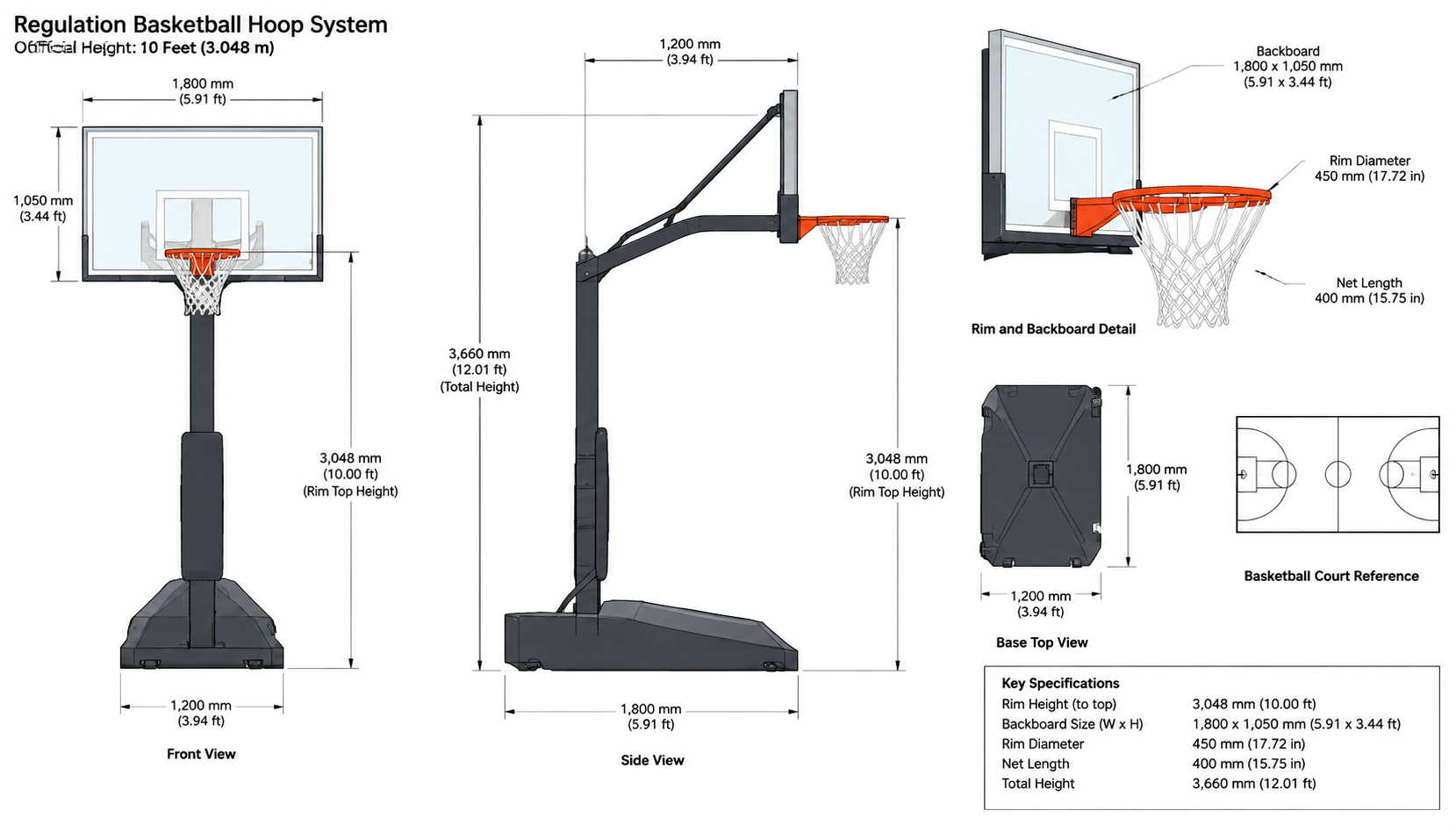
Understanding the components of a basketball hoop system is essential for choosing the right equipment for your court. This guide covers every part, from rim to base, with expert insights on materials and construction.
Key Takeaways
- A basketball hoop system consists of six main parts: backboard, rim, net, pole, base, and adjustment mechanism.
- Backboard material significantly impacts performance and cost. Tempered glass offers the best rebound and clarity.
- Breakaway rims are recommended for competitive play to reduce injury and improve safety.
- Portable bases require high-quality plastic or steel construction with sand or water filling for stability.
- Proper maintenance extends the life of your hoop system. Regular inspection of bolts, moving parts, and padding is crucial.
What Are the Main Parts of a Basketball Hoop System?
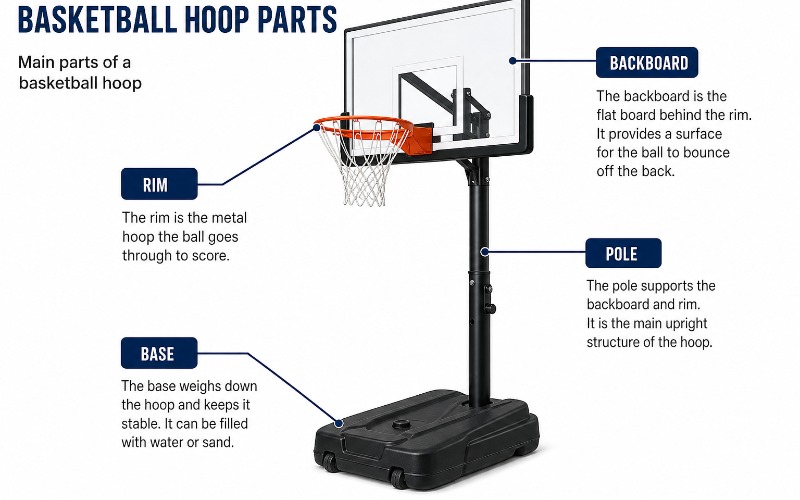
A complete basketball hoop system comprises several key components working together. Understanding each part helps you make an informed purchase. The core parts include the backboard, rim, net, support pole, base or mounting system, and often an adjustment mechanism for varying height.
Backboard: Materials and Sizes
The backboard is the large rectangular or fan-shaped board where players aim shots. It affects ball rebounding and off-board play. Common materials include tempered glass, acrylic, and polycarbonate. Size ranges from 44 to 72 inches wide.
| Property | Tempered Glass | Acrylic | Polycarbonate |
|---|---|---|---|
| Clarity | Excellent | Good | Fair |
| Durability | High | Medium | Low |
| Cost | High | Medium | Low |
| Rebound Consistency | Best | Good | Poor |
| Weight | Heavy | Light | Light |
| Best For | Professional/Competitive | Schools/Parks | Driveways/Residential |
Rim: Types and Durability
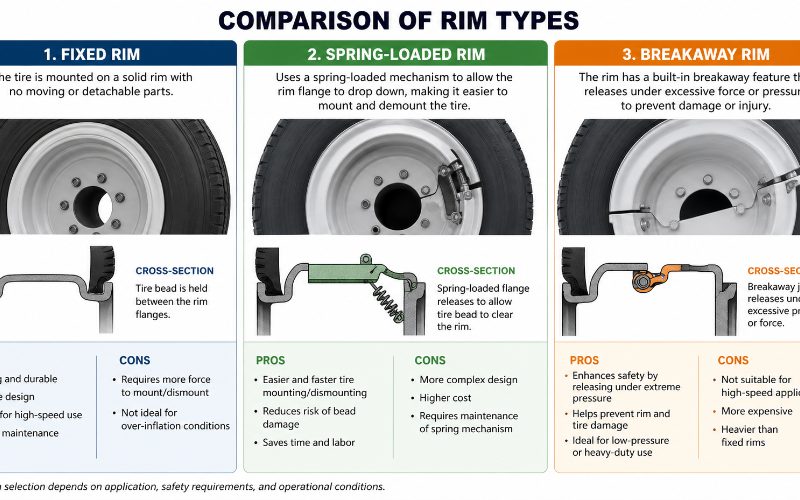
The rim is the metal hoop where the ball passes through. Rims come in three main types: fixed, spring-loaded, and breakaway. Breakaway rims are standard for competitive play due to safety and performance.
| Rim Type | Features | Best For |
|---|---|---|
| Fixed | Rigid, no give, lowest cost | Recreational home use |
| Spring-Loaded | Some flex, reduces vibration | Casual outdoor play |
| Breakaway | Flexes on impact, self-locking, cushions dunks | Competitive leagues, schools |
Breakaway rims use a spring mechanism that allows the rim to tilt downward under pressure and then return to horizontal. This reduces stress on the backboard and prevents wrist injuries. Look for rims that meet NCAA or FIBA specifications if you plan to use them for organized play.
Pole and Support Structure
The pole supports the backboard and rim. It can be round or square, with square poles offering better resistance to twisting. Pole material is typically steel, often powder-coated for weather resistance. Wall thickness (gauge) determines strength. For portable systems, poles are usually two-piece for easier assembly and adjustment.
Base Options for Portable Systems
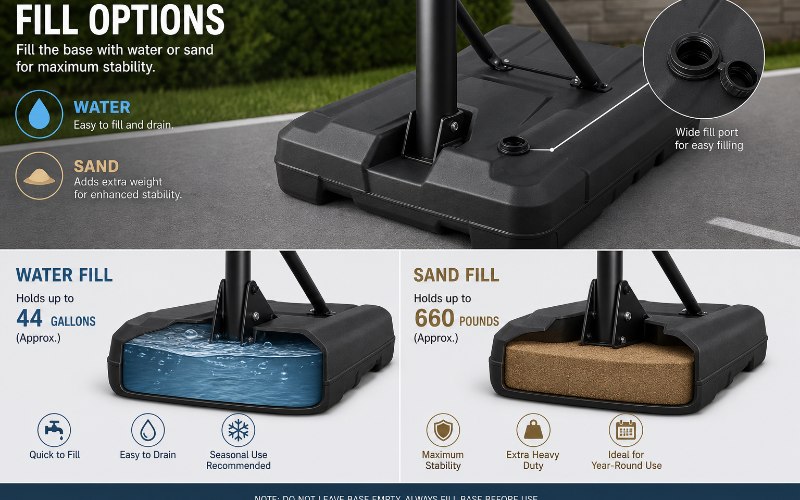
Portable basketball systems rely on a large base filled with water or sand to provide stability. The base is usually made from high-density polyethylene (HDPE) or vacuum-formed plastic. Larger bases (e.g., 35-40 gallons) provide better stability. Some bases feature a steel inner frame for added strength. Always check the base capacity and filling method before purchase.
Net Types and Attachment Systems
Nets slow the ball when passing through the hoop. Common materials include nylon, polyester, and chain. Nylon nets are standard for indoor and outdoor use; chain nets are extremely durable but noisy and can damage balls. Attachment systems vary: standard loop-through, hook-and-loop, or quick-change S-hooks. For institutional use, chain nets with sturdy attachment reduce replacement frequency.
Adjustment Mechanism for Variable Height
Many basketball hoop systems feature an adjustable mechanism to change the rim height from 7.5 to 10 feet. Common mechanisms include pneumatic air pressure, screw-driven, and crank systems. Pneumatic systems use a handle to pump up a cylinder, offering smooth height changes. Crank systems use a gear mechanism. For commercial use, heavy-duty screw or crank systems are more reliable.
When evaluating adjustment mechanisms, consider ease, durability, and safety. Look for a locking collar that secures the pole segments at the desired height. Some systems include an indicator to show the current height level.
Optional Accessories and Safety Features
- Pole Padding: Thick foam wrap around the pole to prevent injury from collisions. Essential for high-traffic areas.
- Wheel Kits: Allow easy relocation of portable systems. Look for sturdy pneumatic wheels.
- Weather Covers: Protect backboard foam or padding from UV and rain.
- Anchor Kits: Secure the hoop system to the ground for permanent installation.
- Flange Mounts: For in-ground systems, the flange holds the pole in concrete.
Always prioritize safety accessories like pole padding, especially for school or public courts. Regular maintenance checks on bolts and moving parts reduce accident risks.
How to Choose the Right Parts for Your Needs
Selecting the right basketball hoop system depends on your usage level, location, and budget. For home driveways, a polycarbonate backboard with a spring rim and portable base works well. For schools, a tempered glass backboard with breakaway rim is ideal. Community parks need weather-resistant materials like aluminum frames and chain nets. Always verify weight capacities, warranty, and compliance with local safety standards.
When buying for commercial or institutional use, consider total cost of ownership. Cheap systems may require frequent repairs. Invest in heavy-gauge steel poles, UV-resistant plastics, and replaceable nets. If you need multiple units, choose systems with standard spare parts available.
Not sure which basketball hoop system is right for your project? Explore our comprehensive Basketball Hoop Buying Guide to compare installation types, materials, safety standards, and selection tips before making your decision.
Frequently Asked Questions
Disclaimer: For specific installation or safety guidelines, always consult the manufacturer or a professional installer.
Ready to equip your court with high-quality basketball systems? Contact EVERGRAND Sport for expert guidance and premium wholesale solutions tailored to your project.